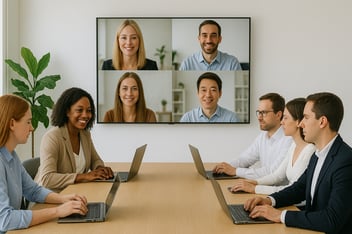

Your hotel front desk team plays an important role in shaping the guest experience from the very first interaction. Because of this, hotel front desk training is no longer just part of onboarding, it’s a strategic investment that directly impacts guest satisfaction, online reviews, staff confidence, and hotel revenue.
At Frontline Performance Group (FPG), we believe the front desk is more than a check-in point. Instead, it’s where guest loyalty is built, memorable experiences begin, and valuable revenue opportunities are uncovered. Through proven training strategies, hotels can empower staff to create genuine guest connections while confidently recommending products and services that enhance the overall stay.
Why Hotel Front Desk Training Matters
First impressions happen fast. Within seconds of arriving at a hotel, guests begin forming opinions about the property, service standards, and staff professionalism. As a result, the way front desk employees greet and engage with guests can shape the entire guest experience.
However, many hotels focus heavily on operational tasks while overlooking the revenue and relationship-building opportunities that happen during guest interactions. This is exactly where Frontline Performance Group helps hospitality businesses bridge the gap.
By providing consistent training, actionable tools, and performance coaching, FPG helps hotels improve guest satisfaction while also increasing incremental revenue through strategic front-desk upselling.
Discover how FPG can help your property unlock its full potential: 👉 Request a Demo
Building Rapport Through Hotel Front Desk Training
One of the first and most important skills taught in hotel front desk training is how to build genuine rapport with guests.
Teaching Front Desk Staff to Ask the Right Questions
Simple questions can immediately create more meaningful guest interactions:
- “What brings you to the area?”
- “Are you celebrating anything special?”
- “What time is your flight tomorrow?”
In addition, these conversations help staff better understand guest needs and preferences, allowing them to personalize the experience from the very beginning. When guests feel recognized and valued, they are far more likely to trust recommendations and enjoy their overall stay.
How Hotel Front Desk Training Creates Better Guest Connections
Rather than treating check-in as a transactional process, FPG trains hotel teams to create authentic emotional connections. As a result, guests feel welcomed instead of processed, which can significantly improve satisfaction and long-term loyalty.
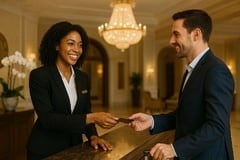
Hotel Front Desk Training Increases Upselling Revenue
Effective hotel front desk training not only improves hospitality skills, but also teaches teams how to identify natural upselling opportunities.
Using Assumptive Language and Active Listening
FPG hotel front desk training equips staff with skills on how to use assumptive language, active listening, and thoughtful questioning to confidently recommend relevant upgrades and services.
For example, if a receptionist notices a family arriving with children, they may recommend:
- Adjoining rooms
- Suites with additional space
- Family-friendly amenities
Similarly, business travelers may benefit from:
- Executive lounge access
- Late checkout
- Premium Wi-Fi packages
As a result, these personalized recommendations enhance the guest experience while increasing hotel revenue.
Recommending Instead of Selling
One of the most valuable lessons in hotel front desk training is understanding that staff are not “selling,” they are recommending options that improve the guest stay.
After all, guests cannot choose amenities or upgrades they don’t know exist. Therefore, when staff confidently present relevant offerings, guests are more likely to see value in premium experiences.
This approach often leads to:
- Higher upsell conversion rates
- Increased guest satisfaction
- Improved RevPAR and incremental revenue
Role Play Exercises for Hotel Front Desk Staff Training
Role play is one of the most effective ways to build confidence and consistency among front desk teams.
Practicing Real Guest Scenarios
According to FPG expert Tom Diaz, “Sales is nothing more than the transfer of confidence.” Therefore, regular role play sessions allow staff to rehearse real-life guest interactions before they happen in front of guests.
Training scenarios may include:
- Recommending room upgrades
- Handling pricing conversations
- Overcoming guest objections
- Explaining hotel amenities
- Responding to special requests
As staff become more comfortable with these conversations, they naturally communicate with greater confidence and professionalism.
Creating a Culture of Continuous Improvement
Additionally, role play helps hotels create a culture of ongoing coaching and development. FPG recommends incorporating role play into:
- Pre-shift meetings
- One-on-one coaching sessions
- Quiet periods at the front desk
As a result, staff remain prepared, engaged, and focused on delivering exceptional guest experiences.
Why Product Knowledge Is Essential in Hotel Front Desk Training
Strong product knowledge is another critical component of effective hotel front desk training.
Understanding Room Types and Amenities
Front desk employees should fully understand:
- Room categories
- Suite features
- View upgrades
- Spa offerings
- Dining experiences
- Hotel amenities
Otherwise, staff may struggle to confidently explain the value of premium offerings to guests.
For example, a receptionist who understands the benefits of a lake-view suite or executive floor can communicate that value far more effectively during check-in.
Maximizing Room Value Through Strategic Assignments
FPG also trains staff to recognize the value differences between rooms and strategically assign inventory based on demand.
For instance, two similar rooms may vary significantly in value depending on:
- Floor level
- Scenic views
- Quiet locations
- Proximity to amenities
By understanding these differences, hotels can better maximize occupancy and revenue opportunities.
How FPG Helps Hotels Improve Front Desk Performance
Frontline Performance Group’s hospitality solutions are designed to help hotels create stronger guest experiences while driving measurable revenue growth.
Through consistent training, performance coaching, reporting tools, and revenue strategies, FPG helps frontline teams:
- Build guest rapport
- Improve communication skills
- Increase upselling confidence
- Deliver personalized guest experiences
- Drive incremental revenue
Empathy Is Essential in Hotel Front Desk Training
Travel can bring a wide range of emotions for hotel guests, from excitement and anticipation to stress and exhaustion. Because of this, hotel front desk training should include empathy and emotional awareness as core hospitality skills. When staff can recognize and respond appropriately to guest emotions, they are far better equipped to create positive, memorable experiences.
Using Empathy to Improve the Guest Experience
Showing empathy helps guests feel understood and supported, especially during challenging situations such as delayed flights, overbookings, lost luggage, or unexpected charges. In addition, empathetic communication can prevent frustration from escalating into conflict while strengthening trust between guests and hotel staff.
To help staff build confidence in these situations, FPG encourages role play and scenario-based training that allows employees to practice handling real guest concerns with professionalism and care.
Communication Skills Every Front Desk Employee Needs
Strong communication skills are one of the most important components of effective training for hotel front desk staff. However, communication goes far beyond simply greeting guests at check-in.
Active Listening Creates Better Guest Interactions
Active listening allows front desk staff to fully understand guest needs while also making guests feel genuinely heard and valued. Rather than immediately focusing on a response, staff should remain fully present during conversations by maintaining eye contact, asking thoughtful follow-up questions, and carefully listening to both verbal and non-verbal cues.
As a result, staff can make more relevant recommendations, avoid misunderstandings, and create smoother guest experiences overall.
Reading Guest Body Language
In addition to verbal communication, front desk teams should also be trained to recognize body language and emotional signals. For example, a guest who appears rushed, tired, or frustrated may require a different communication style than a guest who is relaxed and conversational.
By adjusting their approach accordingly, hotel staff can create more personalized and comfortable guest interactions.
The Future of Front Desk Upselling
For many hotel employees, the idea of “selling” can feel uncomfortable. Therefore, one of the most effective strategies in hotel front desk training staff is reframing upselling as “recommending.”
Helping Guests Discover Better Experiences
Rather than focusing solely on revenue generation, upserving encourages staff to recommend enhancements that genuinely improve the guest experience. For example, recommending a room upgrade with a better view, a spa treatment after a long flight, or a late checkout for convenience allows staff to feel more service-oriented instead of sales-focused.
Building Staff Confidence Through Training
Additionally, formal upselling training helps create consistency across the hotel team while improving staff confidence. By combining communication skills, psychology, and product knowledge, front desk teams become more comfortable initiating conversations and recommending premium experiences.
Ultimately, this leads to:
- Higher guest satisfaction
- Increased upsell conversion rates
- Improved hotel revenue
- Stronger team performance
Customer Service Excellence Starts With Personalization
Exceptional hospitality is built on personalization. Therefore, hotel front desk training should teach employees how to anticipate guest needs and create tailored experiences throughout the stay.
Understanding Different Guest Types
Not every traveler has the same expectations. Business travelers, luxury guests, families, and leisure travelers all value different amenities and experiences. By understanding these guest profiles, front desk staff can provide more personalized recommendations and interactions.
For example:
- Luxury travelers may appreciate premium suites and gourmet dining recommendations
- Families may value larger rooms and kid-friendly amenities
- Business travelers may prioritize convenience and efficiency
As a result, personalized service becomes a powerful driver of guest loyalty and positive reviews.
Moving Beyond Scripted Conversations
While scripts can help guide interactions, overly scripted conversations can feel robotic and impersonal. Instead, FPG encourages hotel teams to use natural dialogue that allows genuine guest connections to develop.
Even if a guest never returns to the property, a personalized and memorable interaction can still lead to stronger online reviews and referrals.
Conflict Management and Problem Resolution Skills
No hotel operation is completely free from guest complaints or unexpected challenges. Therefore, hotel front desk training should also include conflict management and problem-solving techniques.
Handling Difficult Situations With Confidence
When conflict arises, staff should follow a structured approach:
- Acknowledge the issue
- Express empathy
- Apologize sincerely
- Offer a practical solution
By remaining calm, attentive, and solution-focused, front desk teams can often turn negative experiences into positive ones.
Preventing Conflict Before It Happens
In many cases, proactive communication and thoughtful recommendations can help prevent problems before they escalate. For instance, strategic upselling and proper room assignment can reduce dissatisfaction related to room preferences or availability.
As a result, well-trained staff are better equipped to maintain both guest satisfaction and operational efficiency.
Invest in Hotel Front Desk Training
Ultimately, effective hotel front desk training is about far more than teaching operational procedures. Instead, it’s about empowering employees to confidently create memorable guest experiences while uncovering valuable revenue opportunities throughout the guest journey.
When hotel teams are equipped with the right training, tools, and communication skills, they become stronger brand ambassadors, better service professionals, and more effective revenue drivers.
Ready to unlock the full potential of your front desk team? Discover how Frontline Performance Group helps hotels worldwide improve guest satisfaction, increase upselling success, and drive incremental revenue through expert frontline training.
Further reading:
Pre-Arrival vs On-Arrival: Which Upsell WinsCase Study: How New World Hoiana Beach Resort Achieved a 60% Upsell Revenue IncreaseHotel Front Desk Training: How Role Play Boosts Confidence and Sales