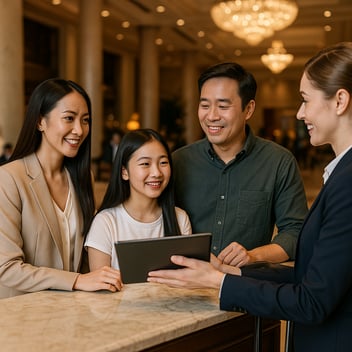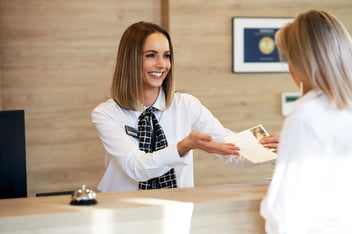

Food and beverage revenue in hotel operations plays an important role in driving incremental revenue. While room bookings are key, many hotels are focusing more on additional revenue opportunities to increase guest spending, improve their experience, and build long-term loyalty.
Restaurants, bars, room service, minibars, and grab-and-go concepts all create chances to increase revenue during the guest journey. However, growing food and beverage revenue takes more than serving good food. Hotels also need strategic upselling, personalized guest engagement, operational consistency and the right technology.
In this article, find out how CheckMax helps hospitality businesses uncover untapped revenue opportunities, along with other effective strategies hotels can use to increase food and beverage revenue, improve guest satisfaction, and drive profitability.
Why Food and Beverage Revenue in Hotel Operations Matters
Food and beverage services are no longer seen as secondary hotel amenities. They now play a major role in the guest experience while creating valuable extra revenue for hotels.
Strong food and beverage programs can:
- Increase total guest spending
- Improve guest satisfaction
- Help hotels stand out from competitors
- Encourage repeat visits
- Drive local community engagement
- Increase profitability beyond room revenue
Guests today also expect more personalized dining experiences, convenience, and flexibility during their stay. Hotels that invest in creative food and beverage strategies are often better positioned to increase both revenue and loyalty.
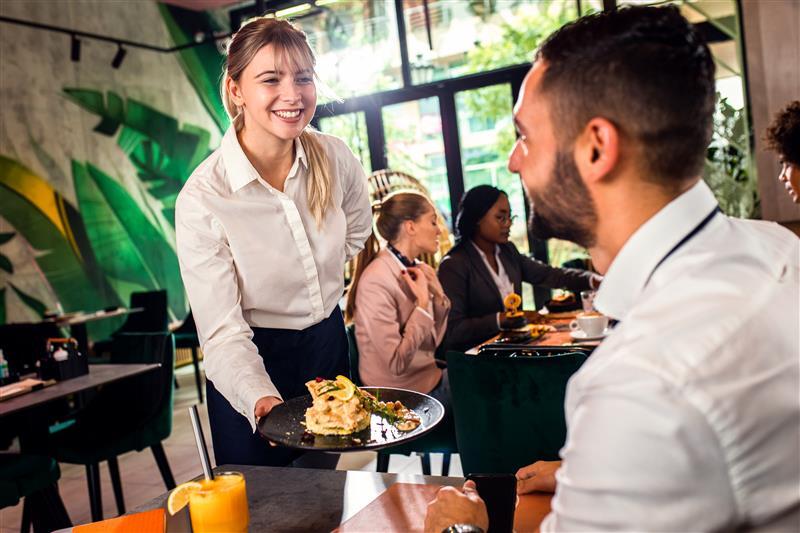
What Counts as Hotel Food and Beverage Services?
Hotel F&B operations often include:
- Restaurants
- Bars and lounges
- Room service
- Minibars and in-room amenities
- Banquet and catering services
- Grab-and-go
- Poolside dining
- Chef experiences and tastings
- Dining packages and promotions
Each guest touchpoint creates an opportunity to increase spending while improving the guest experience.
How Hotels Can Increase Food and Beverage Revenue
Hotels that successfully grow food and beverage revenue often focus on personalization, upselling, memorable guest experiences, and strong frontline engagement throughout the stay.
Train Front Desk Teams to Identify Buying Signals
Your front desk team plays an important role in driving F&B revenue.
Simple discovery questions at check-in include:
- “Are you celebrating anything special?”
- “Have you dined with us before?”
- “If you’re looking for somewhere to dine tonight, our steakhouse is very popular.”
These conversations can uncover opportunities to recommend dining experiences.
Guests celebrating birthdays, anniversaries, honeymoons, or family vacations are often open to upsells when approached naturally and confidently.
Promote Dining Offers On Arrival
The guest journey begins before check-in, but arrival is one of the best times to promote dining experiences and food packages.
By presenting special offers and F&B packages at arrival, hotels can generate extra revenue while helping guests improve their stay.
Train Frontline Teams to Recommend Dining Experiences
Front desk teams, concierge staff, and restaurant employees all help increase food and beverage revenue in hotel operations.
When staff are trained to ask thoughtful questions and make personalized recommendations, guests are more likely to purchase premium experiences.
For example:
- A family may enjoy a dining package
- Business travelers may value executive lounge access
- Couples may respond well to romantic dining experiences
FPG helps frontline teams build confidence through communication training, role play, and strategic upselling techniques. These methods feel natural and guest-focused instead of sales-driven.
The Power of Language in Food and Beverage Upselling
With FPG’s solution CheckMax, servers are trained on the importance of language. The words staff use shape how guests think, feel, and act.
Instead of simply pointing guests to the menu, servers can use vivid, sensory language that brings dishes to life. For example, rather than saying, “Were you thinking about getting any appetizers tonight? We have our appetizers on the first page of the menu,” servers can create a more engaging experience through storytelling and description.
A waiter promoting the special might say:
“We have a fresh Alaskan-caught salmon prepared with our homemade curry. We start with curry cubes, add a little cucumber and finish with our special seven-herb spice. It can’t be beaten.”
The description goes beyond flavor and introduces the principle of scarcity.
Use Scarcity to Encourage Guest Spending
A server might add:
“Because we’re bringing in the salmon fresh, we’ve only got 25 tonight.”
As the evening progresses, they can continue updating guests:
- “We’re down to 10.”
- “We’re down to five.”
- “Mrs. Jones, this is one of the last two.”
This type of language creates urgency and excitement. It makes the dish feel special, limited, and too good to miss.
With CheckMax, servers are also trained to use assumptive language:
“Our classic bruschetta is our most popular appetizer. You will love it!”
Guests naturally respond to confident and engaging recommendations. From there, personalization strengthens the connection. A guest enjoying pasta can be guided toward the perfect wine pairing, while someone sipping a cocktail may be encouraged to upgrade to a premium spirit. These thoughtful suggestions improve the guest experience while increasing average check sizes.
The Role of Technology in Increasing Hotel Food and Beverage Revenue
Technology is changing how hotels manage and grow food and beverage revenue. With the right tools, hotel teams can better understand guest behavior, identify sales opportunities, and improve service consistency across dining operations.
Data and reporting play a major role in revenue optimization. By tracking dining trends, guest preferences, and each server’s performance, hotels can make smarter decisions that support profitability and guest satisfaction.
Solutions like CheckMax help hotels turn these data insights into measurable results through frontline engagement, sales coaching, and performance tracking.
Could your hotel be leaving revenue on the table?
Learn how hotels are increasing revenue per guest by 5–15% through smarter guest engagement, upselling, and frontline training, without feeling salesy. Read more.
How CheckMax Helps Increase Food and Beverage Revenue
CheckMax helps hotel and restaurant teams improve guest engagement, strengthen upselling performance, and create more consistent dining experiences.
With CheckMax, teams can:
- Identify and act on upselling opportunities
- Build confidence in menu and product recommendations
- Increase average check size
- Reinforce service standards across teams
- Deliver more personalized guest experiences
Whether recommending wine pairings, premium cocktails, chef specialties, or dining packages, empowered frontline employees play a major role in increasing revenue.
For hotel restaurants, CheckMax also helps solve common operational challenges such as inconsistent upselling, labor shortages, and low team engagement. By combining training, incentives, and real-time performance reporting, hotels can improve profitability and guest satisfaction across food and beverage operations.
Want to know what’s next for F&B? Dive deeper into the trends, challenges, and game-changing developments defining 2026. Read more.
Train Servers to Recommend House Specialties with Confidence
Another strategy is recognizing when a guest asks, “What do you recommend?” This signals that they see the server as an expert and trust their opinion.
This gives the server the opportunity to confidently recommend the restaurant’s best dishes. By suggesting house specialties, servers create curiosity in the moment while planting a seed for future visits.
Servers should also speak authentically and passionately about menu items.
For example:
“If you’re in the mood for something special, our chef’s grilled salmon with mango salsa is a huge hit. It’s actually my go-to after my shift.”
The recommendation feels genuine rather than scripted. That authenticity makes guests more likely to follow the suggestion.
Why Personalization Is Essential for Food and Beverage Revenue in Hotel Properties
Today’s travelers expect personalized experiences throughout their stay, including dining.
Use Personalized Recommendations to Increase Guest Spending
Personalization is another powerful tactic. By paying attention to what the guest is considering, servers can tailor recommendations.
For example: “I noticed you looking at the pasta section. If you enjoy spicy food, I’d recommend our Penne arrabbiata. It’s one of our best sellers and I love the balance of flavors.”
This shows attentiveness, makes the guest feel valued, and connects the recommendation directly to their preferences.
If servers engage guests in conversation and learn about their plans, they can offer thoughtful suggestions.
For example: “Since you’re heading to the opera after dinner, you might enjoy finishing with something light. Our lemon sorbet is refreshing and won’t leave you feeling too full for the show.”
Great service is not about memorizing every menu detail. It is about understanding the guest mindset, anticipating needs before they are spoken, and creating memorable moments throughout the experience.
Offer Customized Packages and Add-Ons
Customized food and beverage packages can greatly improve guest engagement and spending.
Examples include:
- Wellness minibar packages
- Family snack bundles
- Romantic dining experiences
- Local food and beverage tasting kits
- VIP lounge upgrades
By tailoring offers to guest preferences, hotels can create stronger emotional connections while increasing extra revenue.
Use Guest Preferences to Improve Recommendations
Hotels that use guest data can provide more relevant recommendations during the guest journey.
For example:
- Returning guests can receive personalized dining offers
- Loyalty members can access exclusive menu experiences
- Guests celebrating special occasions can receive curated dining suggestions
As a result, personalization improves guest satisfaction and increases conversion rates.
Create Signature Dining Experiences
Unique food and beverage concepts help hotels stand out in a competitive hospitality market.
Guest engagement can be enhanced by offering:
- Signature cocktails
- Chef’s table experiences
- Seasonal tasting menus
- Local culinary partnerships
- Wine pairing events
- Cultural dining experiences
These experiences not only drive revenue, but also encourage social media sharing, positive reviews, and repeat business.
Use Promotions and Events to Increase Food and Beverage Revenue
Strategic promotions can help fill slower periods in restaurants and bars.
Use Happy Hours and Off-Peak Promotions
Happy hour specials, themed evenings, and late-night promotions attract both hotel guests and local customers during slower hours.
Examples include:
- Two-for-one cocktails
- Live music nights
- Wine Wednesdays
- Local tasting events
- Sports viewing specials
These events can create repeat revenue while strengthening your hotel’s local reputation.
Host Special Events and Experiences
Experiential dining is becoming more important in hospitality.
Hotels can generate extra revenue by hosting:
- Wine tastings
- Chef’s table experiences
- Cooking classes
- Themed dinners
- Pairing events
- Holiday brunches
These events attract both overnight guests and local diners while creating premium pricing opportunities.
Accommodate Dietary Preferences and Wellness Trends
Today’s travelers increasingly look for healthier and more personalized dining options.
Consider offering:
- Vegan options
- Gluten-free meals
- Keto-friendly dishes
- Plant-based menus
- Wellness beverages
These options can attract a broader audience and improve guest satisfaction.
You do not need to redesign your entire menu. Even a few clearly labeled options can make a difference.
Staff Engagement Is Key to Long-Term Revenue Growth
One of the biggest mistakes hotels make is focusing only on technology while overlooking frontline engagement.
When employees feel motivated, trained, and financially rewarded, they naturally provide better service and make stronger recommendations.
As a result, hotels often see improvements in:
- Guest satisfaction
- Employee retention
- Upselling performance
- Team morale
- Overall revenue growth
At FPG, we believe successful revenue strategies start with people.
Final Thoughts on Food and Beverage Revenue in Hotel Operations
Food and beverage revenue in hotel environments represents a major opportunity for hospitality businesses that want to improve profitability while enhancing the guest experience.
However, success requires more than quality food and drinks. Hotels must combine personalized guest engagement, strategic upselling, staff training, and technology to fully increase their revenue potential.
By empowering frontline teams and creating memorable dining experiences throughout the guest journey, hotels can increase revenue while building stronger guest loyalty and long-term business success.
Ready to unlock more food and beverage revenue opportunities at your hotel? Discover how Frontline Performance Group and CheckMax help hospitality businesses increase guest spending, improve frontline performance, and drive measurable revenue growth.