

There's been a significant digital transformation in recent years, with contactless check-in becoming a trend in certain hotel brands. Driven by changing guest expectations, mobile technology and the demand for convenience, hotels have introduced contactless hotel check-in experiences designed to streamline the guest arrival.
But while contactless check-in technology may be popular with some guests, an important question remains: does removing front desk interaction actually improve the guest experience?
What Is Contactless Check-In?
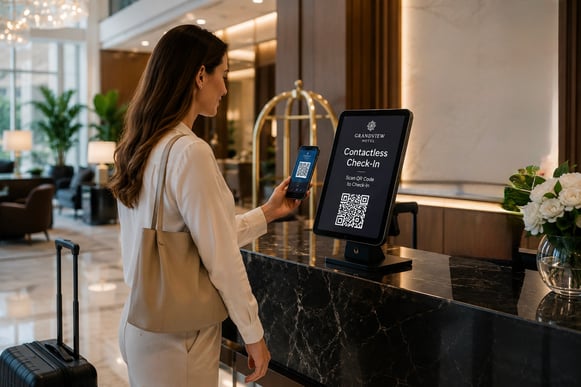
Contactless check-in allows hotel guests to complete some or all of the arrival process digitally, often through a mobile app, online portal or self-service kiosk. Depending on the hotel’s technology, guests may be able to:
- Check in before arrival
- Verify identification digitally
- Receive a mobile room key
- Bypass the front desk entirely
- Access their room directly from their smartphone
For hotels, contactless check-in can help reduce queues, improve operational efficiency and offer guests greater flexibility during their stay.
Why Contactless Check-In is Popular
The rise of mobile hotel check-in accelerated during the pandemic, when minimizing physical interaction became a priority. Since then, guests have grown accustomed to digital convenience in other industries, from airline boarding passes to mobile food ordering, and increasingly expect similar experiences from hotels.
Some hotels have also embraced contactless technology to help address:
- Labor shortages
- Faster guest processing
- Operational efficiency
- Reduced front desk congestion
- Evolving guest preferences
For some travelers, particularly business guests or late-night arrivals, the ability to skip the front desk entirely can feel seamless and efficient.
The Benefits of Contactless Hotel Check-In
When implemented effectively, contactless check-in can enhance several aspects of the guest experience.
Faster Guest Arrival Experiences
Guests can avoid waiting in line and complete check-in on their own schedule, creating a smoother arrival experience.
Reduced Front Desk Queues
Front desk teams can spend less time processing routine transactions and more time handling guest requests or complex service needs.
Greater Convenience for Travelers
Digital check-in provides travelers with more control over their arrival process, particularly for repeat guests familiar with the property.
Improved Operational Efficiency
For guests who prefer minimal interaction, contactless options can create a more comfortable and personalized experience.
The Challenges of Contactless Check-In
Despite its advantages, contactless hotel check-in also presents challenges that many hotels continue to navigate. While technology can improve efficiency and convenience, hospitality remains fundamentally people-driven. One of the biggest concerns is the potential loss of human connection during an important moment in the guest journey.
Reduced Face-to-Face Guest Interaction
The arrival experience often sets the tone for the entire stay and removing face-to-face interaction can limit opportunities to build rapport, personalize the guest experience and create memorable first impressions.
Missed Upselling Opportunities
Front desk interactions often create valuable opportunities for hotels to recommend room upgrades, late check-outs and personalized offers. When guests bypass the front desk entirely, hotels may lose important moments to increase ancillary revenue and enhance the guest experience through tailored recommendations.
The Risk of Losing Personalization
While contactless check-in can improve convenience, it may also reduce the personal touches that make a hotel stay memorable. Face-to-face interactions allow staff to recognize guest preferences, celebrate special occasions and create a more welcoming experience that builds long-term loyalty.
Technology Limitations and Guest Preferences
Not all travelers prefer a fully digital experience. Some guests still value human interaction, particularly during complex bookings, special requests or problem resolution. Technical issues, app adoption barriers and varying guest comfort levels can also impact the effectiveness of contactless check-in systems.
Is Contactless Check-In Replacing the Front Desk?
According to Geoffrey Toffetti, CEO of Frontline Performance Group (FPG), the data suggests otherwise. When asked about the long-term impact of mobile and contactless check-in on hotel operations, Toffetti noted that while usage may have increased over the past decade, adoption rates remain relatively low compared to overall reservation volumes.
“Even though the number of reservations utilizing direct-to-room technology has grown significantly, the actual concentration of usage has remained relatively stagnant over the last 10 years,” said Toffetti. “Some brands have been promoting this technology for a decade, yet adoption still sits in the single digits.”
He added that even if contactless check-in adoption did eventually reach 20%, the majority of guests would still interact with hotel teams during the arrival experience.
“Even at 20%, that still leaves 80% of guests engaging with the front desk. And hotels only need a small percentage of successful guest interactions to drive significant upsell revenue and service impact.”
The takeaway? Contactless check-in is not eliminating the importance of frontline teams, it’s changing how hotels balance convenience with personalized hospitality.
Why Human Interaction Still Matters in Hospitality
Technology can streamline transactions, but it cannot fully replace emotional intelligence, personalized recommendations or genuine guest connection. The most successful hotels understand that guest experience is not simply about speed, it’s about making guests feel welcomed, understood and valued.
Front desk and frontline teams remain uniquely positioned to:
- Build rapport with guests
- Personalize recommendations
- Identify opportunities for room upgrades
- Increase ancillary revenue
- Resolve issues in real time
- Create memorable service moments
In many cases, these interactions directly influence guest satisfaction scores, loyalty and revenue performance.
Balancing Technology With Personalized Service
Rather than viewing contactless check-in as a replacement for hospitality, some hotels are using it as a tool to enhance operational efficiency while empowering staff to focus on higher-value guest interactions.
For more than 30 years, FPG has helped hotels transform frontline interactions into revenue-driving opportunities through training, performance coaching and technology solutions that improve guest engagement and upselling performance.
By teaching frontline teams how to build genuine rapport, identify guest needs and confidently present personalized upgrade opportunities, FPG helps hotels increase ancillary revenue while enhancing the overall guest experience.
The winning strategy is not choosing between technology and people, it’s finding the right balance between efficiency and human connection.
Related reading: Hotel Front Desk Upselling: Turning Small Moments Into Big Wins explores how frontline teams can transform everyday guest interactions into powerful revenue opportunities while enhancing the overall guest experience.