
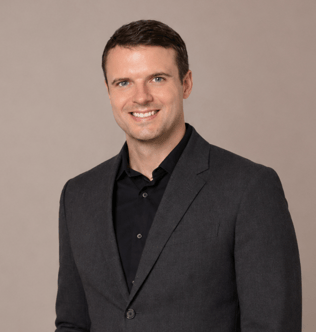
Benjamin Seelos is Vice President, Client Solutions APAC, at Frontline Performance Group (FPG), where he works with hotels and restaurants across the region to strengthen frontline performance, enhance guest experiences and drive TRevPAR as well as average checks powered by human-led upselling.
In this Q&A, Benjamin shares his insights on how service-first upselling, supported by FPG's DeskMax and CheckMax solutions, can help hotels and restaurants unlock more revenue from every guest interaction.
1. How can hotels balance exceptional guest service with revenue generation?
At Frontline Performance Group (FPG) we always say, if you don't recommend your best products and services, it's not a good guest experience. Exceptional guest service means recommending the best experiences your hotel has to offer, whether that’s a room upgrade, a signature restaurant or a spa treatment. Failing to make these recommendations can mean missing opportunities to enhance the guest experience.
In our space, we often hear this common objection from hoteliers: “We prefer to focus on service rather than revenue.” But with FPG having worked in this industry for over 30 years, we have a very clear standpoint: service and revenue go hand-in-hand.
You simply help your guests to buy more by giving them a reason to upgrade to the room category, by giving them a reason to purchase a nice bottle of wine, because they want to have a better time at your hotel or at your resort.
So that's how we try to overcome and educate leaders by reframing that opportunity so that they're not stuck in between those two poles which if you look at it, perhaps some might think they clash, but in our space, they have to go hand-in-hand. Our top performing hotels in the APAC region are adding 4-8% TRevPAR with our support.
2. Why are hotels missing revenue opportunities after guests arrive?
The biggest missed opportunity is when a front desk agent, for example, doesn't make an offer, doesn't recommend anything. That's already the biggest, single missed opportunity.
Of course, you have different touch points in a guest journey. You have the booking journey, you have the pre-arrival journey, you have the guest checking in journey, the in-stay journey, etc. There are different touch points, but the biggest missed opportunities are always when there is an interaction happening between an agent at the front desk or a server at the restaurant and the guest.
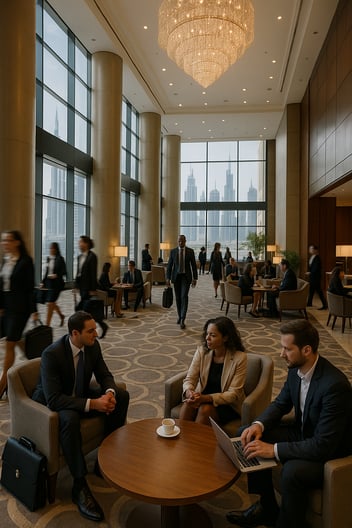
 And FPG is here to help employees make these conversations more exciting for the guests and more profitable for the businesses, so that the guests are very happy to spend more and have a good time in exchange. So for us, it's the guest interaction. Whenever you have a one-on-one interaction, it's these moments, which is the biggest moment of truth, because not everybody reads your pre-arrival emails. Not everybody wants to get these automated WhatsApp messages.
Not everybody wants to download your app to book a spa or room service. But if I arrive at the property and they tell me a little bit about amazing premium room types that they have, better experiences, spa services, food and beverage, and maybe make me a real offer that makes sense to me, it doesn't mean a long check-in process. It's just very natural in a conversation.
If the front desk agents and restaurant or bar server have been trained, if they understand how to spot buying signals from the guests, making these moments really commercially positive for hotel and restaurant businesses, is a win-win for everybody.
👉 What’s holding back your hotel’s revenue growth? Discover 5 key hotel revenue challenges and practical solutions to uncover missed opportunities, boost profitability and drive more revenue from every guest.
3. Why should hotels think of upselling as recommending rather than selling?
Every hotel and every hotelier has a unique roadblock when it comes to that. Many times, it's really a mindset situation that they face.
Some hotels, what they focus on or what they fear a lot is, from the employee perspective, is the rejection itself. “I don't want to make an offer because I'm worried that the guest says no.” Maybe on a hotel level perspective, they might think that we should not sell or encourage our team to sell because we don't want our team to become pushy.
They might say: “We don't want our team to become salesy. Nobody wants to be sold to.” Then I always say, well, let's just avoid the word selling.
If you don't like the word “selling,” simply eliminate it from your vocabulary. It sounds easy, but all we're really here to do is provide the best service to our guests and recommend products and experiences they might appreciate.
Take a honeymooning couple arriving at a beautiful resort who have booked an entry-level room. Would it really be good service not to let them know that a stunning ocean-view room is available, with beautiful sunsets and additional features that could make their stay even more special?
I don't think it's good service not to let them know about this because at the end of the day, let them decide whether they want to enhance the experience or not. And if they say no to it for any reason, it's also okay, but the guests won't feel pressured.
We certainly don't teach team members to push for sales. We teach them to recommend, which is very, very different.
And in the food and beverage setting, the same way, if that same couple, then goes to a restaurant, fine dining restaurant, I don't think it's providing good service by not recommending two glasses of champagne, for example, as an operative, because they're celebrating a honeymoon.
Why don't you want to allow them to celebrate at the restaurant dining venue? Why don't you want to maybe offer the premium option, maybe a sharing platter, so they can enjoy a beautiful dinner together, because maybe it's romantic and many couples actually give wonderful feedback.
Why don't you want your guests to experience that? So it really comes down to, if you have a problem with the word selling, then just don't think about selling.
Think about being a brand ambassador. And what does brand ambassador do? They really just want to make sure that you have the best time of your life, so that you may be going to come back, you may be signed up for the loyalty program, you may be going to leave a nice Google review.
So this is what our program is about. We don't teach selling per se, but we teach the process behind, because every sale has a process that doesn't change necessarily. It's about fact finding, about how to build rapport with your guests, it's about how to recommend premium products and services.
It just follows the same process. You can call it sales process, but the way you deliver it is very different, it's very natural, it's very ambassador style. So at FPG, that's what we teach.
👉 Want to turn great service into higher sales? Discover 6 practical restaurant upselling techniques to enhance the guest experience, increase average checks and drive more revenue from every guest.
4. How can front desk employees recognize buying signals and make relevant recommendations?
Here’s one very simple and very useful trick, which is a buying signal to understand when a guest arrives. It’s when they ask, “what room type am I in?”
If a guest asks this question, it's a clear sign they want to make sure they're staying in the right room category. You can confirm their existing room category while also offering an upgrade by simply asking, “Would you like to enhance your experience with us?”
We have different steps in our service-based sales concept. The first is building rapport, and the second is fact-finding.
Getting the second step right is particularly important. Most front desk associates already know how to build rapport by greeting guests with a smile and asking simple questions like, “Is this your first time in town?” or “Is this your first time in Singapore?”
It's in the second step, fact-finding, that we encourage and train front desk agents to understand why guests are staying at the property and whether it's their first visit to the destination.
Only through fact-finding can you recommend the most appropriate product.
For example, if a guest is visiting on business for four or five nights and has booked a smaller deluxe room without a desk, why wouldn't the front desk agent recommend an executive floor room? It may offer more space and a dedicated desk where the guest can work after a full day of meetings.
They could also enjoy access to the executive lounge for meetings, afternoon tea or a snack, all included in the upgrade, making their business trip more comfortable.
These are the tips and techniques we teach front desk agents. It all starts with building rapport and asking the right fact-finding questions so they can recommend the most appropriate product.
👉 Great hospitality starts with great people. Discover how building a strong frontline employee culture can motivate teams, elevate guest experiences and turn everyday interactions into revenue opportunities.
5. How can restaurants increase guest spending through better service?
In a restaurant setting, for example, it's quite common in a luxury hotel to pay $10, $12 for a coffee. The service is friendly and obviously professional, but it's not really effective from a revenue perspective. Because many times it's only an order-taking relationship between the server and the guest.
I recently had a morning meeting at a high-end resort. We sat down at the bar, and the server came over and asked what we would like to have. That's fine, and certainly better than waiting for a guest to raise their hand.
But why not take it a step further? The server could recommend the hotel's freshly baked pastries or a new croissant. Or, if I order a coffee, why not ask if I'd also like some still or sparkling water or even some pastries that are freshly baked?
In that situation, I ordered a coffee, and the server asked if I would like some water. I said yes, expecting to be asked whether I preferred still or sparkling. Instead, the coffee arrived with a complimentary glass of ice water.
Why not offer still or sparkling water? And since it was 10 in the morning, why not offer a breakfast menu? I might have already eaten, but perhaps I'd be interested in a light snack or some fresh fruit. I love healthy food, so that's something I might have considered.
👉 Turn great service into higher sales. Discover 6 practical restaurant upselling techniques to increase guest spend, boost average checks and deliver memorable dining experiences.
It's about making sure servers are engaged and proactive. They have good intentions and are certainly friendly, but these recommendations don't seem to be part of what's expected of them. It's not the employees' fault. It's about management setting clear expectations and putting more structure in place.
So I just think that this way, especially restaurants, they're leaving a lot of money on the table because it makes a difference whether you have 15 or 20% average spend per guest improvement or not. And it makes a difference whether a good server attends you or a server that doesn't recommend you anything. These are some of the very common gaps we see. Ultimately, the opportunity to drive more revenue is already there. It’s about giving every server the skills, confidence and motivation to make relevant recommendations, enhance the guest experience and drive more revenue.
Frontline Performance Group (FPG) helps hotels and restaurants increase revenue through human-led upselling, service-first training, coaching, incentives and AI-powered insights.
Powered by IN-Gauge, FPG’s solutions deliver powerful results:
- DeskMax: 3–6% RevPAR lift through front desk upselling.
- CheckMax: 5–15% increase in restaurant revenue per guest.
With 30+ years of expertise, FPG is trusted by hotels across 120+ countries.
👉 Ready to unlock more revenue from every guest? Book a demo to discover how FPG can help your team perform at its best..